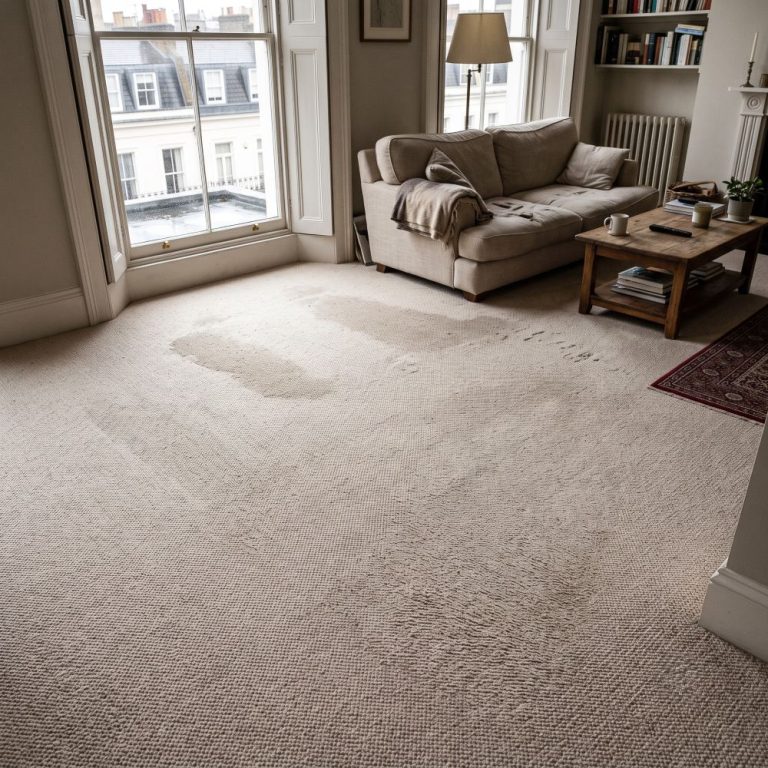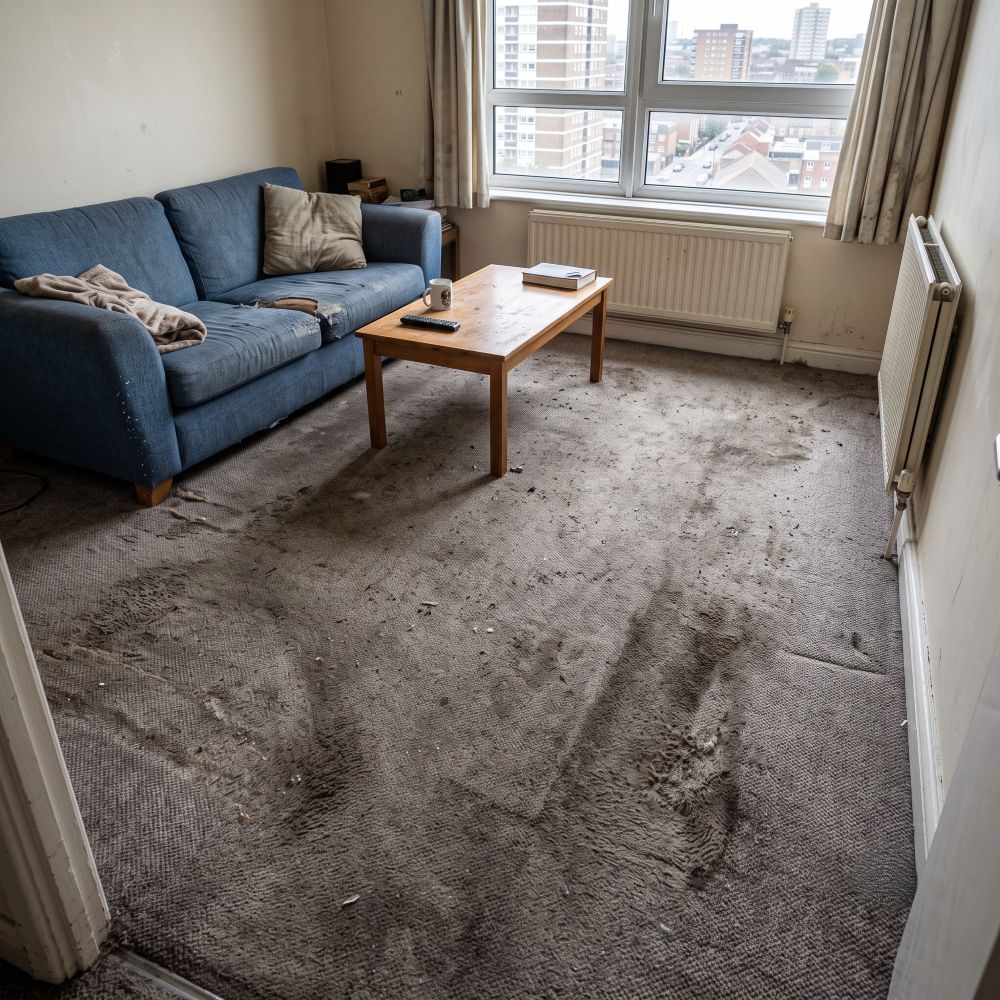
I once stepped into a flat in Peckham where the carpet looked like it had survived a decade-long war against dirt, coffee, and careless tenants. The colour was anyone’s guess. Every step puffed out a faint cloud, and the smell suggested a forgotten takeaway had fused with the fibres years ago. The owner looked at me hopefully and asked, “Can it be saved?”
The short answer: yes, it can. But it takes more than a quick scrub and a prayer. A long-term dirt smothering isn’t just about surface muck — it’s a deep-rooted invasion that’s turned the fibres dull, greasy, and lifeless. You can’t simply cover it with fragrance or run a vacuum over it and expect miracles.
Bringing a carpet back from the brink is a process — part science, part patience, and a fair bit of sweat. I’ve revived carpets most people would have written off as landfill. If you’ve got one that’s seen too many years of muddy shoes, spilled wine, and careless neglect, don’t panic. Here’s how to breathe life back into it, step by careful step.
Assessing the Damage Before You Start
Before charging in with machines and cleaning products, stop and take a proper look. A thorough inspection tells you what you’re dealing with and helps you choose the right approach. You wouldn’t wash silk the same way you clean denim — carpets deserve the same consideration.
Look, Touch, and Smell – The Three-Step Assessment
Start by looking. Notice the colour differences between open areas and places under furniture. Those darker zones? That’s compacted soil and grease. Next, touch the carpet. Run your hand across it. If it feels stiff, sticky, or matted, there’s a heavy build-up of residue that vacuuming alone won’t shift.
Then, smell. Don’t worry — every cleaner has to do this. Mouldy or musty scents hint at moisture damage; a faint sourness can mean bacteria thriving in spilled drinks or pet accidents. Recognising these clues early helps prevent spreading the issue during cleaning.
Identify the Fibre Type
Carpet fibres vary widely. Wool carpets — common in older London homes — clean beautifully but dislike high heat and harsh chemicals. Synthetic fibres like nylon or polypropylene can handle stronger cleaning agents but might melt or distort if overheated. Blended carpets combine both, which means a balanced approach is best.
Take a small pinch of fibre from an edge or loose thread and test it. Professionals do a quick burn test — the smell and ash reveal the type — but if you’re unsure, stick to neutral pH products. That way, you won’t cause unnecessary damage before you’ve even begun.
The Deep Clean – Step-by-Step Revival
Once you’ve assessed the situation, it’s time to get into the real work. Reviving a heavily soiled carpet is a multi-stage process. Each stage builds on the last, removing years of grime until the original fibres finally start to breathe again.
Dry Vacuuming Comes First
Vacuuming might sound obvious, but it’s the most underrated stage. You’d be shocked how much loose soil sits in the pile. If you skip this, you’ll end up turning dry dust into muddy paste once moisture hits it.
Use a strong vacuum with a motorised brush. Go over each area slowly and from different directions. Don’t rush — this is where you remove up to 80% of dry debris before any wet cleaning begins. I once emptied a vacuum bag after cleaning a music studio and found an entire handful of glitter, cigarette ash, and what looked suspiciously like crumbs from the nineties.
Loosening the Grime – Pre-treatment and Agitation
Now comes the chemistry bit. Apply a pre-spray designed for your carpet type. This solution breaks down oils, dirt, and grease so they can be extracted later. Focus on traffic lanes — doorways, hallways, under desks.
Then agitate. You can use a counter-rotating brush machine or even a hand brush for smaller spaces. The goal is to work the cleaner deep into the fibres without damaging them. This step is where most of the hidden dirt begins to loosen. You’ll know it’s working when those dull patches start to look slightly darker — that’s soil lifting to the surface, ready for extraction.
Hot Water Extraction (a.k.a. Steam Cleaning)
This is the part most people picture when they think of professional carpet cleaning. A powerful machine injects hot water mixed with cleaning solution into the carpet, then extracts it along with the loosened grime.
Temperature and pressure are key. Too low, and you won’t dissolve the dirt; too high, and you risk shrinking or damaging delicate fibres. The water you pull back tells the story — I’ve seen tanks fill up looking like someone tipped out black coffee. That’s years of London grit, dust, and who-knows-what finally leaving the carpet for good.
Rinsing and Neutralising
After extraction, it’s important to neutralise the carpet’s pH. Detergent residues left behind can make fibres sticky, causing them to attract dirt all over again. A mild acidic rinse restores balance and leaves the carpet soft instead of crunchy.
This is also where you’ll notice the real transformation — colours brighten, the texture feels smoother, and that stale smell starts to fade.
Speed Drying for a Fresh Finish
A damp carpet is a magnet for odours and bacteria. Use air movers, fans, or dehumidifiers to speed up drying. In London flats, where ventilation isn’t always great, this step makes all the difference.
Aim to get the carpet dry within a few hours. If it stays wet overnight, it can undo much of your hard work. I’ve learned this the hard way during winter jobs when the heating was off — nothing like the smell of soggy wool to remind you why airflow matters.
Restoring the Feel and Look
Once clean and dry, your carpet may still look a bit flat. Don’t worry — this is just the fibres needing a little encouragement to stand tall again.
Grooming and Pile Lifting
Professional cleaners use grooming rakes or pile lifters to reset the carpet texture. It smooths out cleaning marks and helps fibres dry evenly. A good groom leaves the carpet looking fluffy and refreshed rather than streaky or patchy.
If you don’t have a grooming tool, a clean stiff brush can do the trick for smaller areas. Just make sure the carpet is nearly dry, not soaking, or you’ll mat it down again.
Deodorising and Freshening
Even after cleaning, a long-neglected carpet might cling to faint odours. Use a quality deodoriser — one designed for carpets, not generic air fresheners. Look for formulas that neutralise smells rather than just covering them.
For homes with pets, enzyme-based deodorisers work wonders. For allergy sufferers, opt for unscented or hypoallergenic products. A subtle freshness that doesn’t overpower the room always feels more natural.
When Cleaning Alone Won’t Cut It
Not every carpet can be saved completely. Some damage goes beyond dirt, and knowing when to stop is part of being practical.
Signs of Irreversible Damage
If fibres have worn down to the backing, no cleaner can replace them. Bleach burns, rot from repeated moisture exposure, or heavy sun fading are also usually permanent. I once worked on a pub carpet in Shoreditch where the fibres had turned to dust under years of spilled lager — no miracle cleaner can fix that.
Sometimes, the best result is improvement rather than perfection.
Repair Options Before Replacing
Before calling the carpet fitters, check for repair options. Patchwork, re-tufting, or selective dyeing can disguise local damage. For instance, replacing a square from under furniture can make a ruined spot look nearly new. These small fixes often buy a few more years of use, especially in high-traffic London flats where full replacement isn’t always affordable or practical.
Keeping It Alive – Maintenance After Revival
You’ve done the hard work. The carpet looks fresh, smells clean, and feels soft again. Now it’s about keeping it that way.
The 3 Golden Rules of Carpet Care
- Vacuum regularly. Do it twice a week in busy areas. Frequent vacuuming prevents dirt from embedding and saves you from another deep revival too soon.
- Treat spills immediately. Blot, don’t scrub. Use a white cloth and mild solution. Even a few minutes can make the difference between a removable mark and a permanent stain.
- Book professional cleans. Every 6–12 months keeps fibres healthy and prolongs lifespan. Professional extraction reaches what home vacuums simply can’t.
Smart Preventative Measures
A few small habits go a long way. Place sturdy doormats inside and outside entrances to catch grit before it hits the pile. Ask guests to remove shoes — especially during rainy London days when pavements are half mud, half mystery.
Protect high-traffic zones with runners or rugs, and rotate furniture occasionally to avoid permanent compression marks. Small details make carpets last years longer.
Final Thoughts – From Hopeless to Spotless
I’ve seen carpets that looked beyond help — dull, sticky, and smothered by years of neglect — come back to life after a proper revival. Watching the fibres stand upright again, colours return, and that old softness creep back underfoot never gets old.
Most carpets don’t need replacing; they need rescuing. A careful assessment, a methodical deep clean, and a bit of aftercare can transform even the most forgotten flooring. So before you give up on yours, give it a chance. Under all that grime, it’s probably just waiting to shine again.